
Clinical Fitness. A delegated benefit that lowers cost of care.
A clinically-supervised, condition-personalized movement benefit you delegate to Atticus. Members get programs built from their chart and coached in real time by our own Movement Coach camera engine — you get fewer admissions, stronger Stars and HEDIS performance, and members who stay engaged. Backed by decades of evidence that movement is one of medicine's highest-ROI levers.
The evidence
Movement is one of medicine's highest-ROI levers.
Peer-reviewed research is unambiguous about what a real, sustained movement benefit does to utilization, outcomes, and total cost of care.
$117B
a year — physical inactivity's cost to U.S. healthcare 1
16%
lower total cost of care for fitness-benefit members 2
31%
fewer 1-year readmissions with exercise-based cardiac rehab 3
42%
fewer hospital stays among fitness-benefit members 2
Published findings on physical activity and plan fitness benefits, cited below — evidence for the approach, not a guarantee of plan-specific results. We measure your baseline at delegation and report against it.
Personalized to every member's chart.
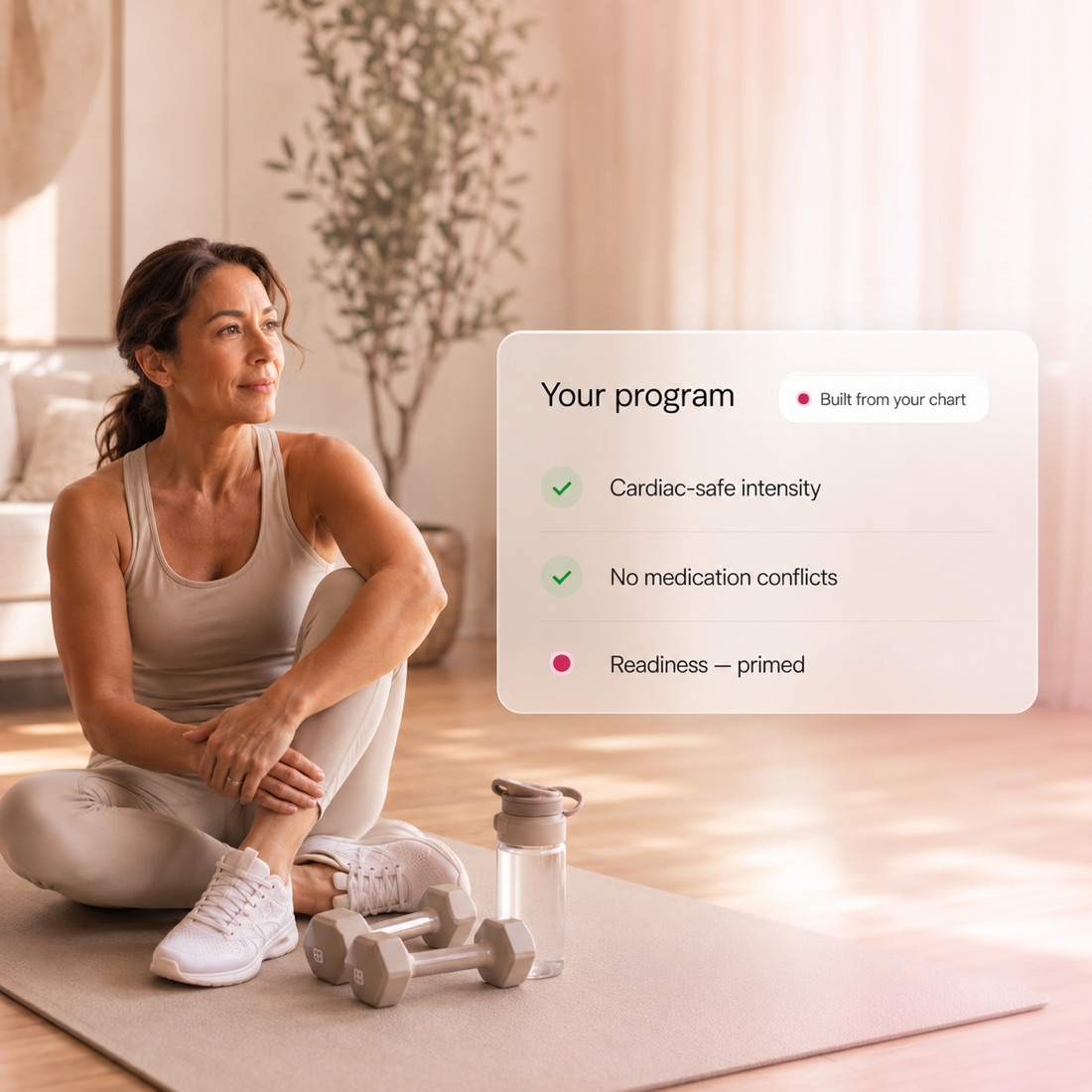
A generic gym benefit gets ignored — and an unsupervised one is a liability. Atticus builds each member a program from their own record, which is what drives the adherence and safety that turn a benefit into an outcome.
- Conditions set intensity, cadence, and contraindicated movements — clinically governed, not self-selected.
- Labs and medications are screened for conflicts before any plan is recommended.
- Daily readiness from wearables keeps members progressing and engaged, not injured or discouraged.
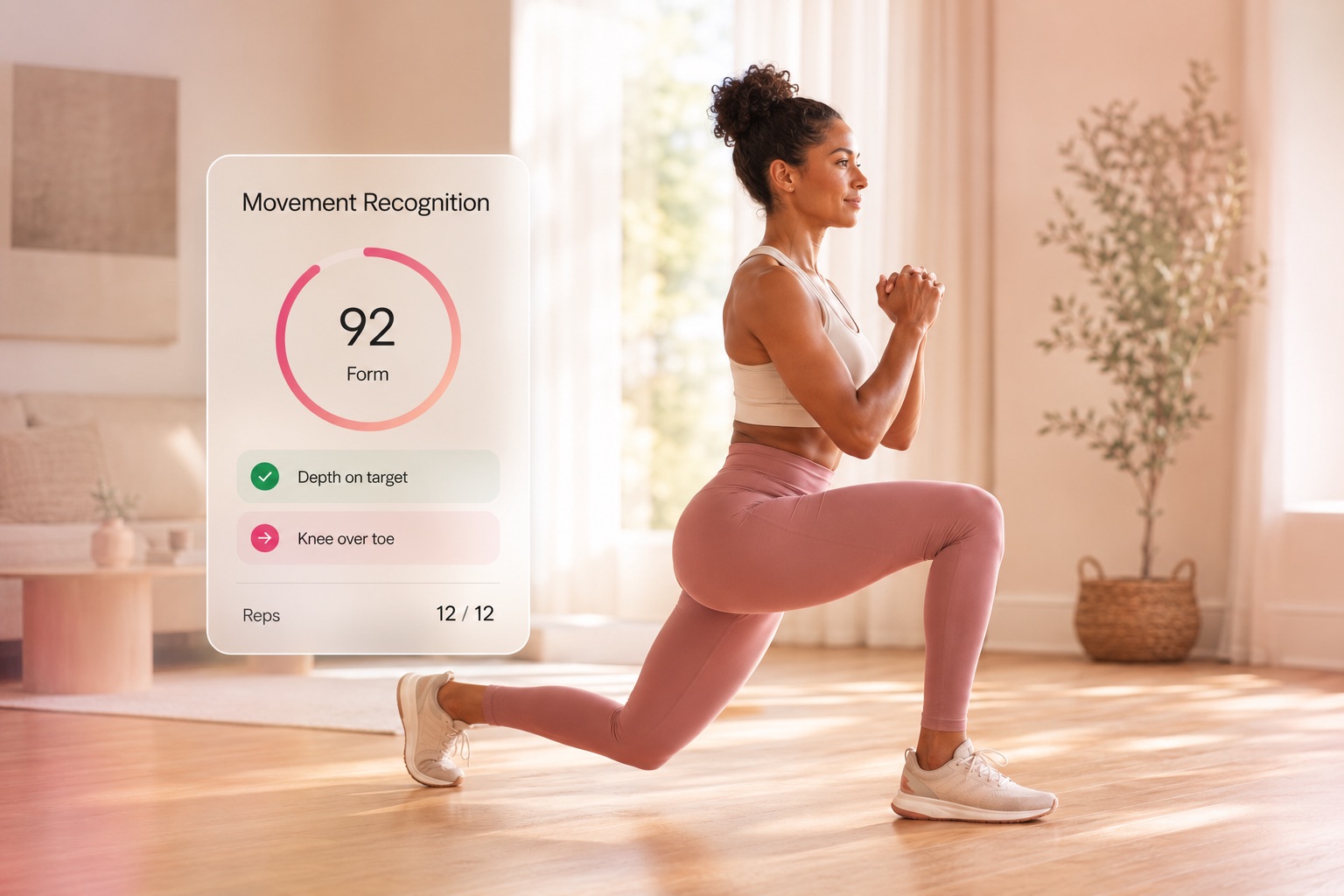
Movement Recognition
Form-perfect coaching that keeps members coming back.
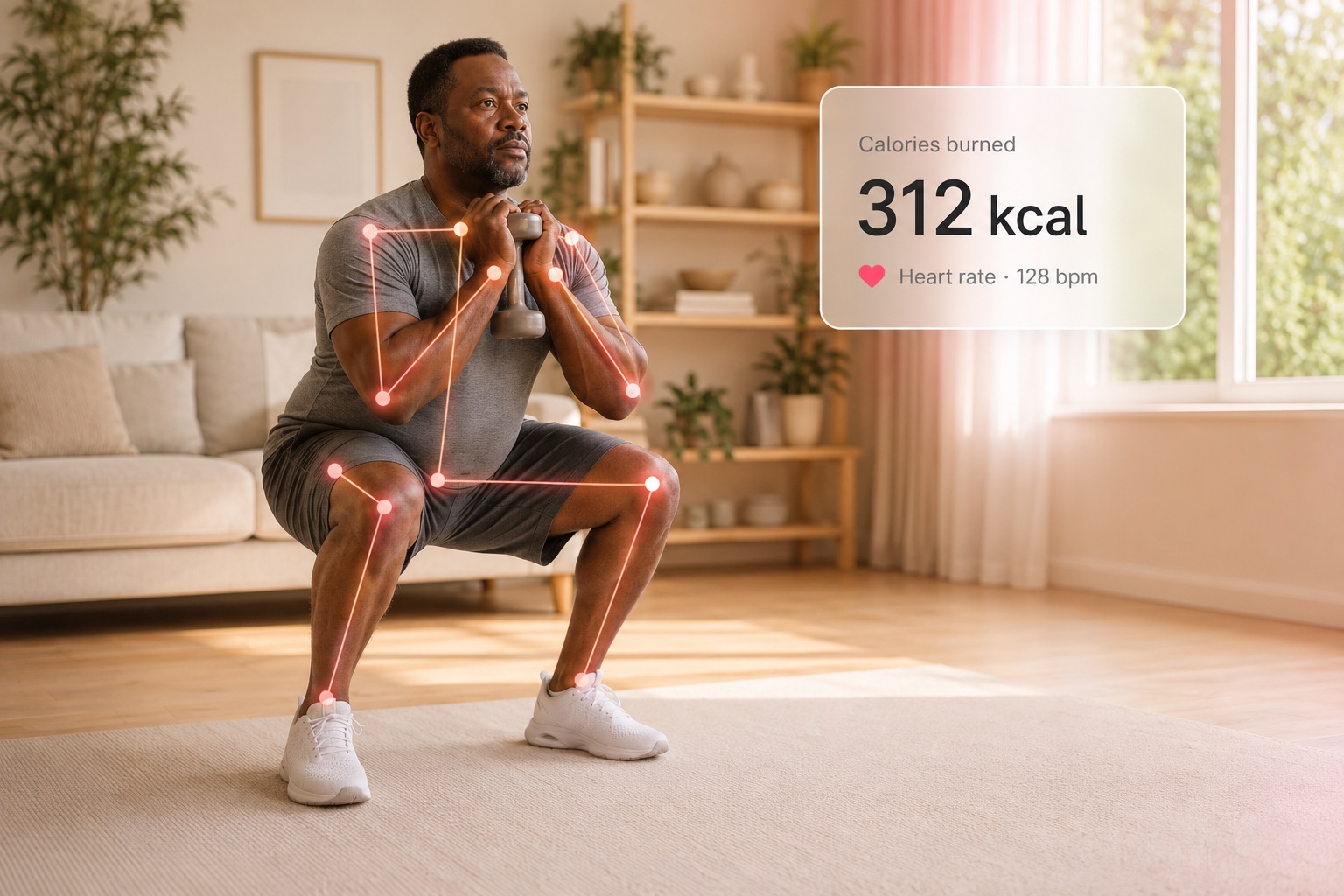
Atticus's own Movement Coach engine reads each member's body through their phone camera — scoring form, counting reps, and coaching technique in real time. It's the engagement and safety layer that makes a fitness benefit actually move outcomes instead of gathering dust.
Programs for the conditions that drive your spend.
Every plan starts from a condition-specific program — aligned to the diagnoses behind avoidable admissions, then personalized to each member's chart.
Heart & cardiac
Monitored conditioning for heart failure and cardiac recovery.
Prenatal & postnatal
Safe strength and mobility through pregnancy and after.
Pain & mobility
Movement that eases chronic pain and restores range.
Weight management
Sustainable strength and cardio, matched to nutrition.
Total joint replacement
Pre-hab and rehab for hip and knee replacement.
Longevity
Strength, balance, and aerobic base for a longer healthspan.
Diabetes & metabolic
Activity that supports glucose control, paced to the member.
Pulmonary & COPD
Breathing-aware conditioning that builds stamina safely.
…plus post-stroke recovery, cancer survivorship, behavioral health & sleep, and bone health.
Content members actually return to.
A clinically-designed exercise set, growing steadily, coached live through our own camera-based Movement Coach engine — every one filtered to what's clinically safe for the member today. Engagement is what makes a benefit pay off.

Foundational Strength

Low-Impact Cardio

Mobility & Flow

Power Intervals
Clinically governed. Built to reduce risk.
Delegated care means delegated accountability. Every workout is screened against the member's health, and adverse-event escalation is automatic — protecting the member and the plan.
- Movements risky for a member's conditions are blocked or adapted automatically.
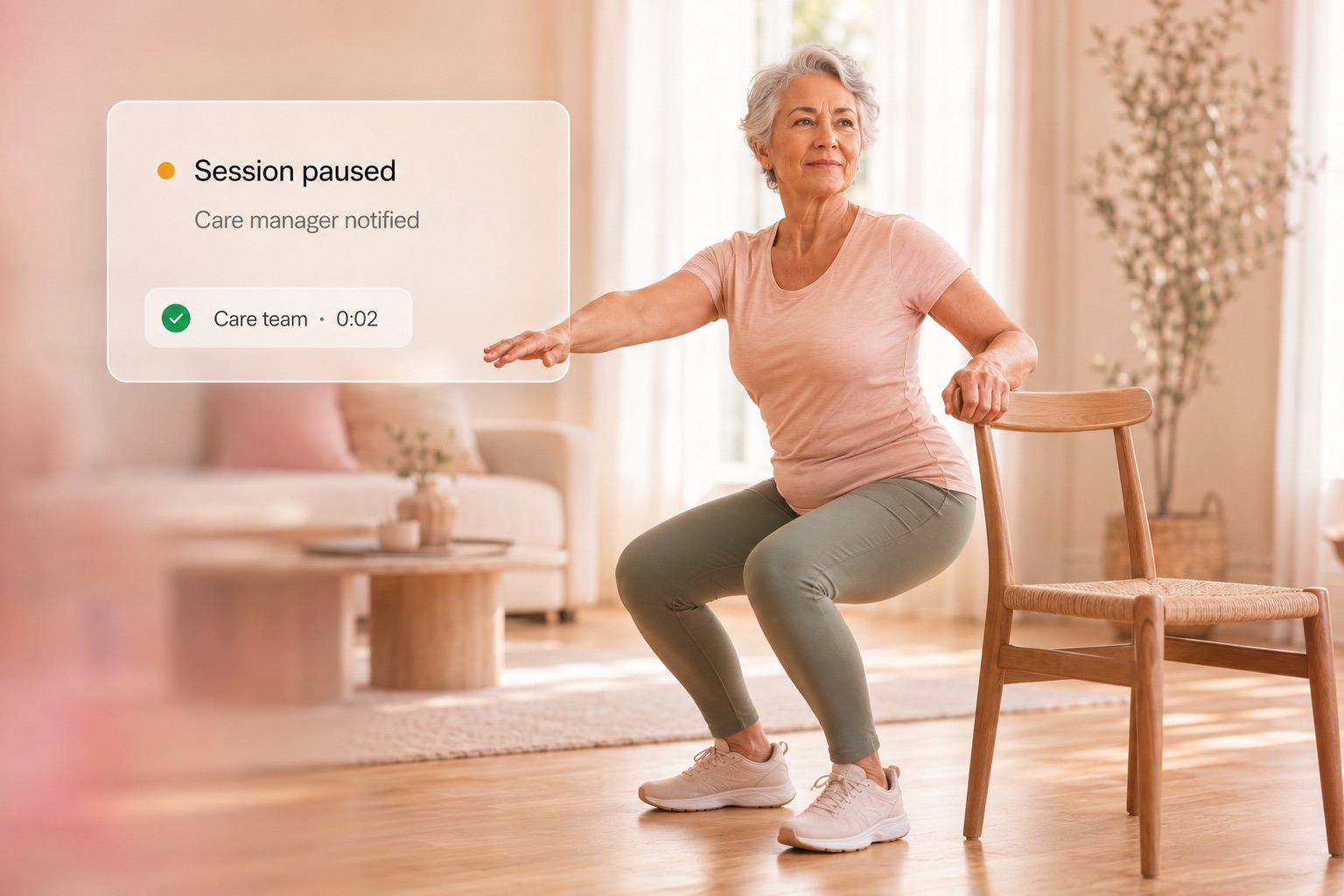
- A red-flag stop ends the session the moment a member reports chest pain, dizziness, or breathlessness.
- That stop alerts a care manager in real time — built to work at 3 AM with no one in the loop.
Every session becomes quality evidence.
Workouts don't sit in a fitness silo. Each session flows into the member's clinical record, feeds your risk and gap models, and is captured as audit-ready evidence for HEDIS, Stars, and your quality programs.
Paired with the member's nutrition plan.
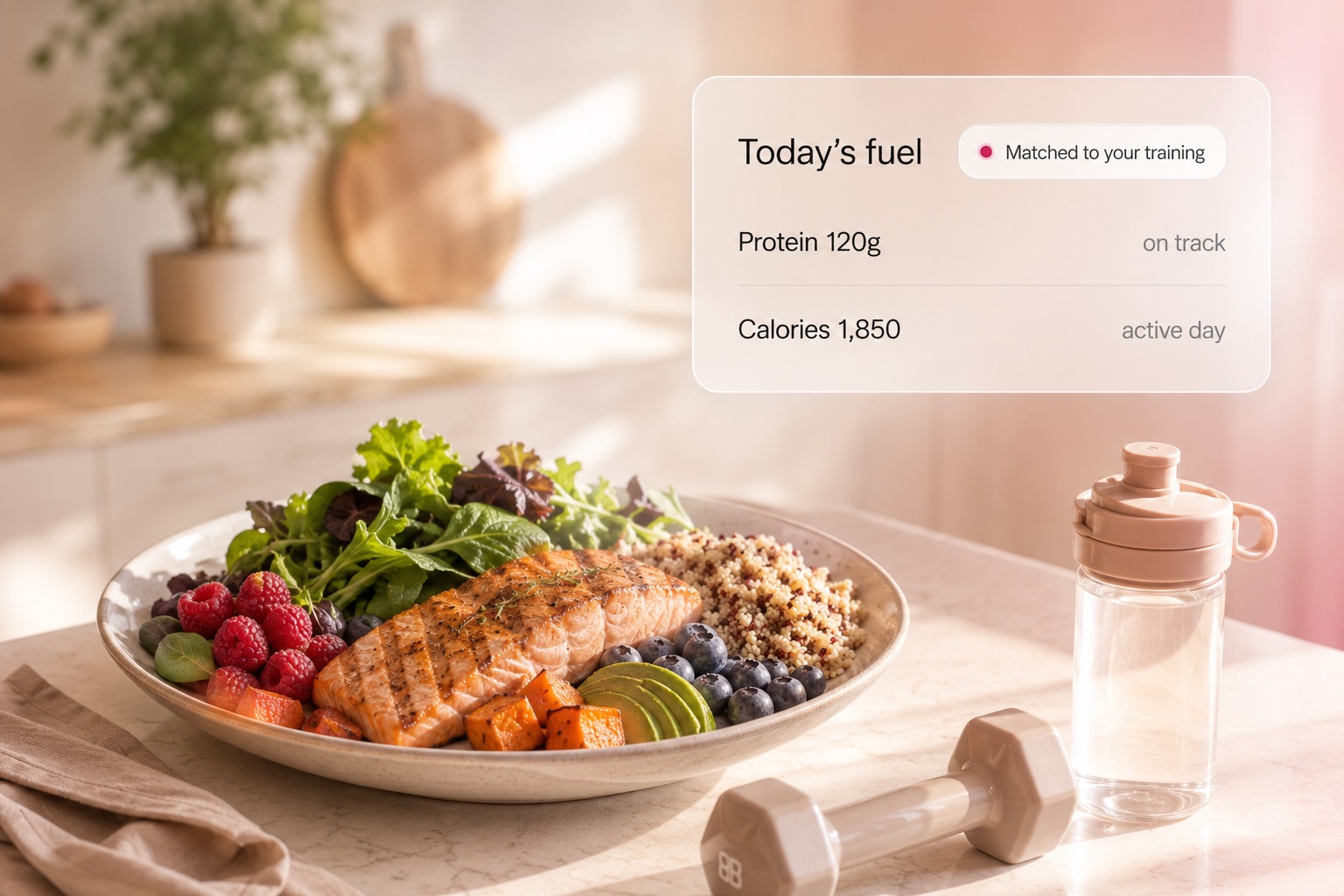
Training and food work as one program, not two apps. The combined whole-person effect is what shows up in cost and quality — and what members feel.
- Training load and nutrition targets adjust together.
- Meal plans honor the same conditions and allergies that shape each workout.
- One coordinated plan per member — managed by Atticus, visible to the care team.
Delegate the benefit. Own the outcome.
Atticus delivers Clinical Fitness as a delegated benefit — free to your members, accountable to you. Bring your population and we'll model the impact on your cost of care and quality scores.
Sources
- Physical inactivity is associated with an estimated $117 billion in annual U.S. healthcare costs. U.S. Centers for Disease Control and Prevention (Carlson et al.).
- Members enrolled in a Medicare Advantage fitness benefit had 16% lower total healthcare costs, 42% fewer hospital stays, and 18% fewer ER visits than non-participants. Avalere Health analysis of Medicare Advantage members.
- Exercise-based cardiac rehabilitation is associated with roughly 31% fewer one-year hospital readmissions and ~26% lower cardiovascular mortality. Journal of the American Heart Association.
- Exercise reduces the rate of falls in community-dwelling older adults by about 23% (108 RCTs, 23,407 participants). Cochrane Database of Systematic Reviews (Sherrington et al., 2019).
- Regular physical activity lowers the risk of heart disease, stroke, type 2 diabetes, several cancers, depression, and all-cause mortality. Physical Activity Guidelines for Americans, 2nd ed., U.S. Dept. of Health & Human Services.